
You open your heating bill expecting a seasonal increase and instead see a number that doesn’t make sense. Nothing feels different inside the house, yet the cost jumps enough to raise a real concern. In Sussex County, that moment matters because reacting to the wrong cause often leads homeowners to waste time, money, or schedule service that never addresses the real problem.
A heating bill spike is an abnormal increase in the cost of heating your home during a single billing period after accounting for billing days, energy rates, and normal winter demand. In this area, spikes are commonly triggered by longer billing cycles, supplier or rate changes, short but intense cold snaps, thermostat control settings, or heating systems quietly shifting how they operate. If you don’t identify which of those changed first, it’s easy to blame the equipment when the issue is actually billing related, or to miss a system problem that is steadily driving costs higher. This guide shows you how to separate those causes clearly and in the right order.
What Counts as a Heating Bill Spike
Before you try to diagnose a cause, you need to confirm whether the increase you’re seeing is actually abnormal. Winter heating bills are expected to rise, but not every increase qualifies as a spike. Mislabeling a normal seasonal jump as a problem often leads homeowners to chase the wrong fix or overlook a billing issue that could have been resolved quickly.
A heating bill spike is an unusual increase in the space-heating portion of your energy bill compared to the same time last year or a recent winter bill with a similar number of billing days. This comparison matters because total dollar amounts can be misleading. A longer billing cycle or colder stretch can inflate a bill without indicating anything has gone wrong.
It’s also critical to separate heating-related charges from everything else on the statement. Prior balances, service fees, taxes, or adjustments from estimated meter readings can raise the total amount due even when actual heating usage stayed within a normal range. If the heating usage itself is sharply higher relative to a reasonable baseline, that is when the increase qualifies as a true spike and deserves closer investigation.
Start Here: The Only Check Order That Prevents Misdiagnosis
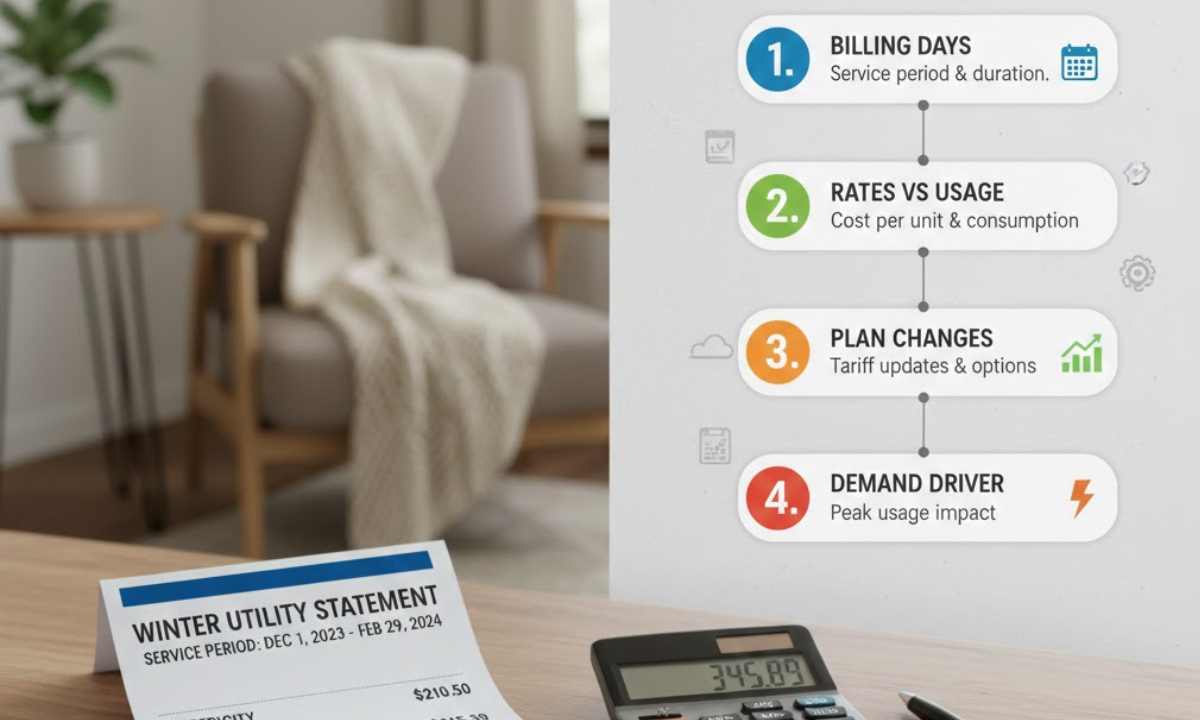
When a heating bill spikes, the most common mistake is starting in the wrong place. Many Sussex County homeowners assume the heating system is failing and move straight to service calls or adjustments. In reality, billing timing and pricing changes account for a large share of sudden increases, and skipping those checks leads to wasted effort and incorrect conclusions.
This check order is intentional. Each step rules out a category of causes before you move deeper. Changing the order breaks the diagnosis.
Step 1: Confirm billing days and bill type.
Begin with the billing period start and end dates and note the total number of days. In Sussex County, winter bills often span uneven cycles around holidays, which can add several extra days without any change in daily heating use. At the same time, confirm whether the bill is marked as estimated or actual. Estimated bills are commonly corrected later, and those corrections often appear as one-time increases that look like usage problems but are not.
Step 2: Separate rates and charges from usage.
Next, ignore the total dollar amount and focus on how much energy was used. A bill can rise simply because the price per unit increased, even if your home used the same amount of heat. If usage stayed flat while costs rose, the spike is pricing related, not a demand issue inside the house.
Step 3: Identify plan or supplier changes and true-ups.
Then check for changes in rate plans, third-party suppliers, or budget billing reconciliations. These adjustments often appear as new line items and can raise a bill significantly without reflecting current heating behavior. Missing this step is one of the main reasons homeowners misdiagnose billing spikes as mechanical failures.
Step 4: If usage increased, branch to demand drivers.
Only after confirming that usage itself went up does it make sense to investigate demand related causes. At that point, colder weather patterns, thermostat control settings, system operating modes, and heat loss through the home become the focus. This is where real changes in how your home is heated usually show up.
If any of these bill details are unclear, reviewing a guide on how to read your utility bill can help you verify the numbers before moving on.
Bill Field Map: Where to Find the Numbers You Need
Utility bills are dense by design, but the key fields you need are consistent from month to month. Knowing exactly where to look keeps this process objective and prevents guesswork.
-
Billing period and number of days. This is typically shown near the top of the statement and defines the time window you are evaluating. Even a small increase in billing days can materially raise a winter bill.
-
Usage quantity and units. Look for kilowatt-hours for electric heat or therms for gas. This figure reflects actual consumption, independent of pricing.
-
Supply versus delivery charges. These appear as separate line items. Supply represents the energy itself, while delivery covers the utility’s infrastructure and service costs.
-
Estimated read indicators and adjustment lines. Estimated bills are usually labeled and may include later correction entries that affect totals without reflecting current usage.
Once these fields are identified and verified, the rest of the diagnostic process becomes reliable because you are working from measured inputs instead of assumptions.
Check Billing Days and Proration Before Anything Else
Before assuming your heating usage changed, confirm whether the billing window itself changed. This step matters because timing alone can make a normal month look like a spike. In Sussex County, billing cycles often shift around holidays, weather events, or account changes, and those shifts show up as higher totals even when nothing inside the home is different.
Yes, a longer billing period can raise your bill even if your daily heating use stayed normal. Most utilities bill on cycles that are close to monthly, not fixed to a set number of days. If one bill covers five to ten extra days during a cold stretch, the total will be higher by default. That increase reflects more billed days, not necessarily higher daily consumption or a system problem.
Proration can also affect how a bill looks. Yes, partial-period adjustments can distort a single bill without signaling a real increase in heating demand. This often happens after a move in or move out, an account start or stop, or a mid-cycle rate change. In those cases, charges are split across partial periods and combined into one statement, which can make the bill feel inflated compared to a standard cycle.
The key is to normalize what you are seeing. Divide usage by the number of billing days to get a daily average, then compare that figure to a similar winter period. If the daily usage is consistent, the increase is timing related. If it is higher, that is when it makes sense to continue down the diagnostic path.
Utility billing cycle rules and proration policies vary and should be confirmed directly through official utility guidance.
Separate Usage Changes From Rate and Charge Changes
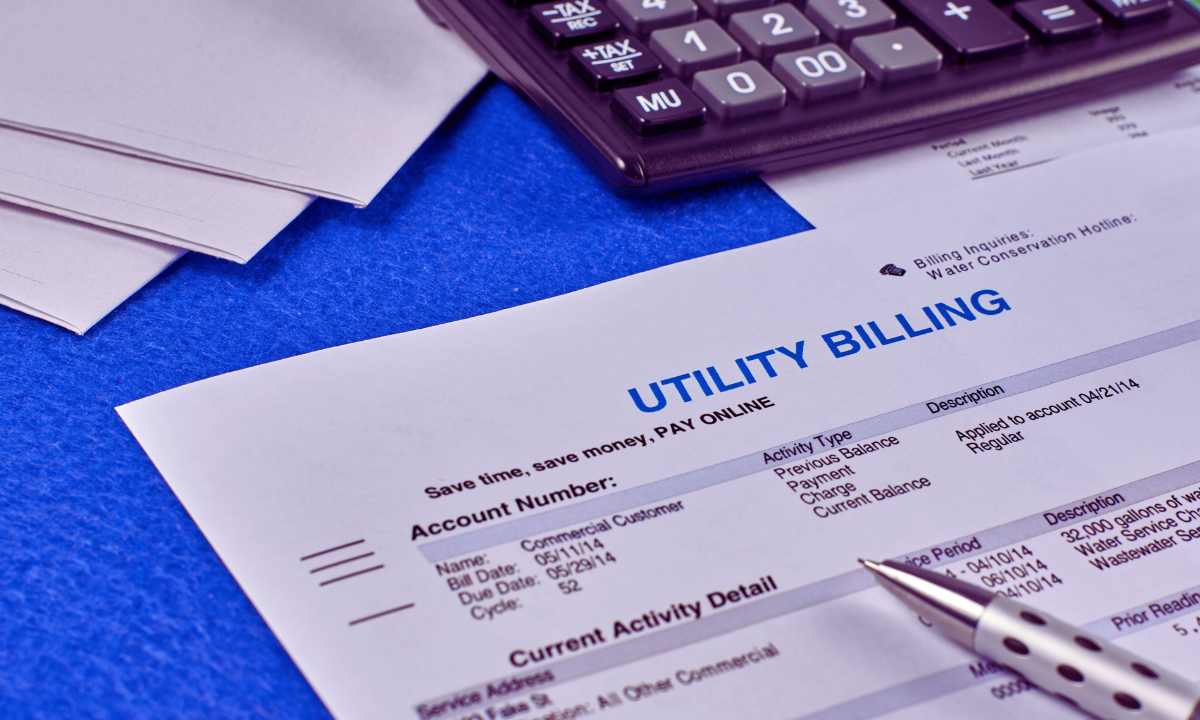
Once you’ve confirmed the billing period is normal, the next step is to figure out whether the higher bill came from using more energy or from paying more per unit. This distinction matters because the fix is completely different. Usage points to demand inside the home, while rate or charge changes point to pricing and billing structure.
No, the total dollar amount on your bill is not diagnostic by itself. A bill can increase even when usage stays flat if rates rise or if the balance between supply and delivery charges shifts. Supply charges reflect the cost of the energy itself, while delivery charges cover the utility’s infrastructure and service. Either can change independently of how much heat your home actually used.
To get a fair comparison, normalize usage by billing days. Divide the total usage by the number of days in the billing period to get a daily average. Yes, daily usage is the most reliable way to tell whether demand actually increased. If the daily number is similar to previous winter periods, the spike is pricing driven. If it is higher, then something caused your home to consume more heat.
If this distinction feels unclear, reviewing how to compare energy bills using usage and rates can help you confirm what changed before moving on.
Compare Bills the Right Way (MoM vs YoY)
Choosing the wrong comparison window is one of the fastest ways to draw the wrong conclusion. Not all comparisons answer the same question, especially during heating season.
Yes, year over year comparisons are usually better for judging what is normal for winter. Comparing this January to last January accounts for typical seasonal demand, while month over month comparisons are highly sensitive to short cold snaps or warm spells. A colder December followed by a milder January can make usage look like it dropped sharply when nothing meaningful changed.
Month over month comparisons still have value, but only when they are normalized. Yes, comparing per day usage matters more than comparing totals. When you adjust for billing days, you can see whether your home is using more heat each day or whether the bill simply reflects timing and weather differences.
Consumer energy guidance on bill comparisons supports using normalized, year over year data to avoid misreading seasonal swings.
Billing, Meter Reading, and Plan Issues That Create Spikes
Before investigating heating usage or system performance, billing and plan issues must be ruled out. These mechanisms routinely create one-time or short-term spikes that have nothing to do with how much heat your home actually used. Skipping this step is one of the most common reasons homeowners misdiagnose a billing problem as a mechanical failure.
Yes, billing mechanics alone can create a spike even when heating demand did not change. Estimated readings, reconciliation adjustments, and pricing plan changes all affect the amount due without reflecting current usage. The key is understanding how each of these appears on the bill so you can identify them quickly and move on without second-guessing.
Estimated bills are a primary driver. When a utility cannot access a meter, usage is estimated based on prior patterns. Once an actual reading is taken, the difference is corrected on a later bill. That correction often shows up as a noticeable increase, even though it represents past usage being reconciled rather than a current surge. True meter reading errors are rare, but estimation and correction cycles are routine and documented in utility billing policies.
[NEEDS SOURCE]
Budget billing plans and supplier arrangements introduce similar distortions. These programs smooth payments over time, but they do not cap total cost. When projected usage and actual usage diverge, the adjustment is deferred and then applied later, frequently during or after peak heating season.
Budget Billing or Equal Payment True Ups
If your bill spiked after months of predictable payments, a plan reconciliation should be the first item you confirm.
Yes, a true up can cause a sudden increase after steady monthly bills. Budget billing and equal payment plans are reviewed periodically, often annually, to reconcile what you paid with what you actually used. When heating demand exceeded projections, the shortfall is added back during the review period. These true ups often cluster near the end of winter, which is why they are commonly mistaken for usage spikes or system problems.
[NEEDS SOURCE]
Supplier Switches and Supply vs Delivery Charges
Rate changes can also occur without any change in heating behavior, particularly when third-party energy suppliers are involved.
Yes, your rate can change even if your usage stays the same. Supplier switches affect the supply charge portion of the bill, while delivery charges remain regulated by the utility. When a supplier contract expires, renews, or changes pricing terms, the cost per unit can rise without any increase in daily heating use. On the bill, this appears as a higher rate or revised supply line item rather than higher usage.
[NEEDS SOURCE]
Recognizing which charge changed prevents misattributing a pricing issue to your heating system.
Prior Balance, Late Fees, and Non-Heating Add Ons
Finally, confirm that you are evaluating current charges rather than the total amount due.
Yes, the total due can increase even when current heating charges are normal. Prior balances, late fees, deposits, or service related add ons are often rolled into the total. When these amounts are included, the bill can appear inflated even though the current billing period’s heating usage and rates are unchanged.
[NEEDS SOURCE]
Always isolate current-period charges before concluding that a heating bill spike reflects higher heating demand.
Fuel Type Pricing and Delivery Timing
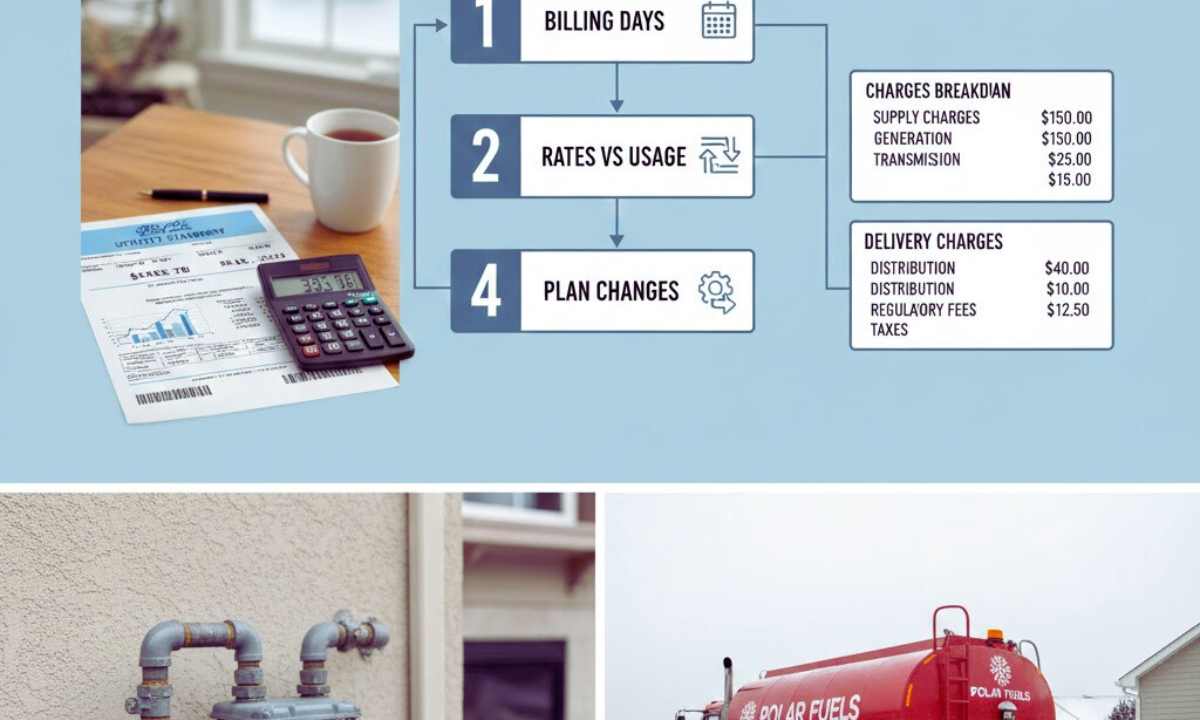
After billing mechanics and plan issues are ruled out, fuel type becomes the next filter. Not all heating fuels are billed the same way, and applying the wrong mental model can make a normal charge look like a sudden spike. The key distinction is whether your home uses a metered fuel or a delivered fuel.
Yes, oil and propane bills behave differently from gas and electric bills. Natural gas and electric heat are metered, meaning you are billed for usage within a defined billing period. Heating oil and propane are delivery based, which means costs are tied to when fuel is delivered and what the price per gallon was on that day, not to a monthly usage snapshot.
With delivered fuels, timing matters. Yes, delivery timing can concentrate weeks or months of heating cost into a single bill. If a tank is filled after a cold stretch, that delivery may reflect fuel consumed over a long period, even though it appears as one charge. The bill looks large because multiple weeks of usage are being paid for at once, not because daily consumption suddenly increased.
Pricing adds another layer. Yes, the price per unit can change without any change in usage. Oil and propane prices fluctuate with market conditions, while gas and electric rates may adjust due to supply costs, seasonal pricing, or regulatory changes. When the per gallon or per unit price rises, total cost increases even if your home used the same amount of heat as before.
Understanding whether your heating fuel is metered or delivery based helps you interpret what the bill is actually measuring. Without that context, it’s easy to mistake billing structure or price movement for a usage problem that does not exist. Fuel pricing and delivery practices should always be confirmed using current supplier or utility guidance.
If Usage Rose: Weather Exposure and Heating Degree Days
Once you’ve confirmed that usage actually increased, weather becomes the next variable to evaluate. This step only matters after usage is verified, because colder weather does not raise bills unless it forces your heating system to run longer or harder. The goal here is to separate normal winter demand from weather patterns that genuinely push heating usage beyond expectations.
Yes, colder weather can directly increase heating usage, but the impact depends on duration and intensity. Heating Degree Days, commonly called HDD, are the standard way utilities and energy analysts measure how much heating demand the weather creates. HDD compares the average outdoor temperature to a baseline, typically 65°F, and tracks how much heating is required to maintain indoor comfort over a given period.
Short cold snaps can have an outsized effect. Yes, a brief period of extreme cold can drive a disproportionate increase in usage even if the rest of the month was mild. When temperatures drop sharply, heating systems run longer cycles, defrost modes activate on heat pumps, and recovery periods lengthen after setbacks. If those conditions line up with a longer billing cycle, the combined effect can make a single bill look dramatically higher than surrounding months.
To interpret weather correctly, HDD must be viewed alongside billing days. A month with more billing days and higher HDD will almost always show higher usage, even if nothing else changed. This relationship between temperature, time, and heating demand is documented and widely used in energy analysis.
Source: National Oceanic and Atmospheric Administration (NOAA) Heating Degree Day methodology
If Usage Rose: Thermostat and Control States That Drive Run Time
After weather is accounted for, the next place to look is how your heating system is being told to operate. Thermostat settings sit upstream of equipment performance, meaning small control changes can quietly increase run time without any mechanical fault. This step matters because control states can change accidentally and then stay in place for weeks.
Yes, thermostat schedules and holds can increase heating usage even if nothing else changed. Schedule overrides often happen during cold spells when you temporarily raise the setpoint. If that override becomes a persistent hold, the system may run longer every day than it did before. Even a few degrees of difference can significantly increase total run time over a billing period.
Mode selection also matters. Yes, the thermostat mode can change how your system heats and how long it runs. Settings like manual heat, recovery modes, or system specific options can alter cycle length and frequency. In some cases, the thermostat prioritizes faster temperature recovery, which increases energy use without signaling a problem to the homeowner.
The key is to confirm what the thermostat is currently commanding, not what you remember setting. Review the active schedule, check for holds, and verify the selected mode. Thermostat operation rules and control behavior are documented by manufacturers and energy programs and should be referenced when evaluating whether controls contributed to higher usage.
If Usage Rose: Heat Pump Mode Changes (Auxiliary and Emergency Heat)
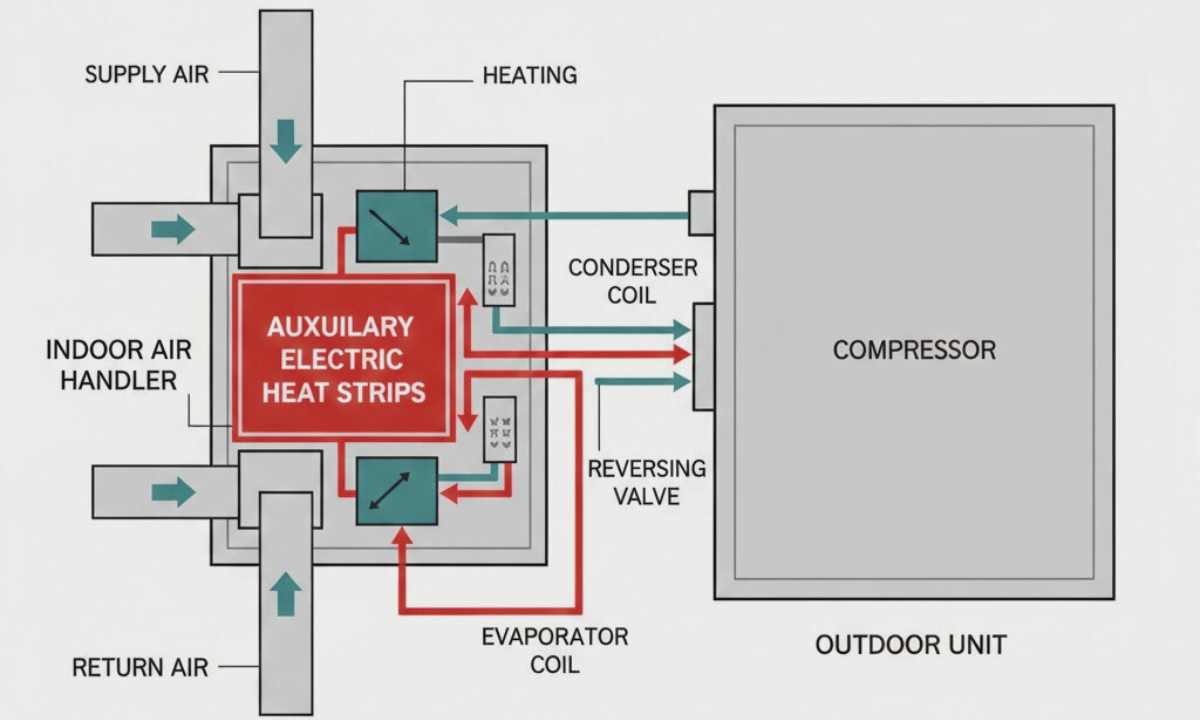
If your home uses a heat pump, this is one of the most common and most misunderstood reasons for a sudden bill increase. Heat pumps are efficient under normal conditions, but they rely on backup systems in certain situations. When that backup engages, energy use can jump quickly without any obvious sign inside the house.
Yes, auxiliary or emergency heat can cause a sharp increase in your electric bill. Most heat pumps use electric resistance backup heat to maintain comfort during very cold weather or rapid temperature recovery. Resistance heat produces warmth quickly, but it uses significantly more electricity than the heat pump alone. When it runs for extended periods, overall usage rises fast.
Understanding how backup heat turns on is critical. Yes, thermostat states can trigger auxiliary heat without you realizing it. Large temperature setbacks, aggressive recovery settings, or manual mode changes can all cause the system to call for backup heat. In some cases, homeowners switch to emergency heat during a cold snap and forget to switch back, leaving the system running on its least efficient mode for days or weeks.
The takeaway is simple. If your heat pump usage increased, confirm whether auxiliary or emergency heat was active during the billing period. Heat pump operation rules and backup heat behavior are defined by manufacturers and energy efficiency programs and should be reviewed when diagnosing unexpected spikes.
If Usage Rose: Heating System Performance Problems
Once controls and operating modes are ruled out, the next step is to look at how the heating system itself is performing. This is where true efficiency losses show up. Importantly, systems do not need to fail completely to drive higher usage. Many performance problems develop gradually and increase run time long before comfort noticeably drops.
Yes, a heating system can use more energy even if it still appears to be working. Furnaces and boilers lose efficiency when key components drift out of proper operation. Issues like dirty burners, restricted airflow, improper combustion, or failing sensors force the system to run longer to deliver the same amount of heat. The result is higher usage without obvious warning signs such as no heat or frequent shutdowns.
Certain behavior patterns are strong indicators of performance degradation. Yes, longer run cycles and frequent cycling are commonly linked to higher demand. A system that runs almost continuously during normal cold weather, struggles to maintain set temperature, or cycles on and off rapidly is often compensating for lost efficiency. These patterns increase total operating hours, which directly raises energy consumption even when weather and thermostat settings remain unchanged.
At this stage, the question is not whether the system is broken, but whether it is operating as efficiently as it should. Heating system performance standards and efficiency benchmarks published by the U.S. Department of Energy and HVAC industry organizations provide the reference points used to evaluate these conditions.
If Usage Rose: Building Heat Loss and House Factors
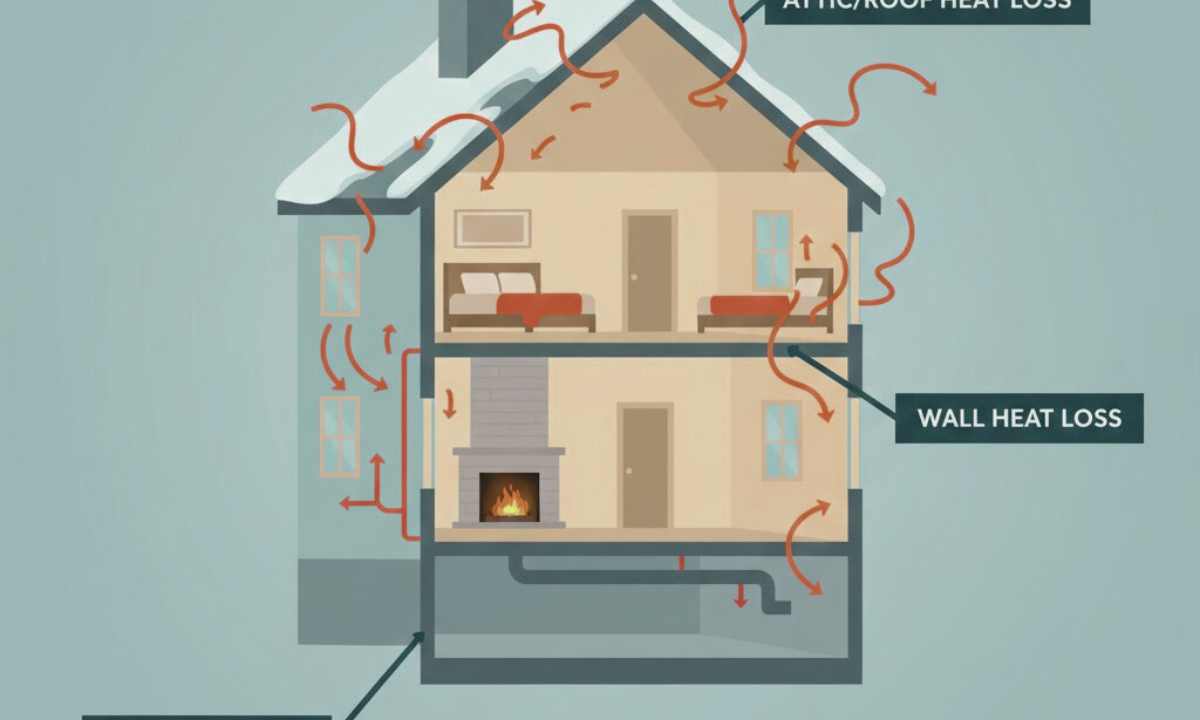
If billing, pricing, controls, weather, and system performance all check out, the remaining driver is often the house itself. Heating systems respond to heat loss, not intent. When the building envelope leaks heat faster than expected, the system compensates by running longer, which increases energy use even when everything else appears normal.
Yes, heat loss from the house can raise heating usage even when the heating system is operating correctly. Insulation gaps, uncontrolled air leakage, and duct losses increase how much heat must be replaced to maintain the thermostat setting. The system does not distinguish between lost heat and used heat, it simply runs longer to make up the difference.
Certain heat-loss paths have a disproportionate impact. Attics with inadequate insulation allow warm air to escape upward. Air leakage around windows, doors, rim joists, or attic penetrations pulls cold air in while pushing conditioned air out. Yes, duct leakage can also drive higher usage, especially when ducts run through unconditioned spaces like attics or crawlspaces. In those situations, understanding how duct leakage affects heating efficiency helps explain why usage rises even when the heating system itself is operating correctly.
House characteristics amplify these effects. Yes, house age and construction type influence how sharply heating usage rises during cold periods. Older homes often have lower insulation levels and higher air leakage rates. Homes with large open floor plans, high ceilings, or attached garages lose heat faster than compact, well-sealed structures. During longer billing cycles or colder weather, these factors compound, making a spike more noticeable even if daily habits did not change.
In practice, envelope-driven heat loss is verified through established building science methods such as energy audits, insulation inspections, and air leakage testing. These approaches are used to quantify where heat is escaping and how strongly the house itself is driving higher heating demand.
Maintenance Inputs That Increase Heating Demand
Maintenance sits upstream of performance. Even when a heating system is otherwise healthy, neglected maintenance can quietly increase how hard it has to work. This section matters because maintenance issues rarely cause a complete failure. Instead, they raise run time incrementally, which shows up as higher usage over a billing period.
Yes, lack of routine maintenance can increase heating demand without causing a breakdown. When airflow or heat transfer is restricted, the system must run longer to deliver the same amount of heat. That additional run time directly increases energy consumption, even though the system still appears to be functioning. These usage increases are why understanding routine HVAC maintenance basics helps explain how airflow and heat transfer issues quietly raise heating demand over time.
Restricted airflow is one of the most common contributors. Dirty or clogged filters reduce the volume of air moving across the heat exchanger or coil. Yes, reduced airflow forces longer cycles and higher energy use. The system compensates by running more often or for longer periods to maintain the thermostat setting.
Heat transfer issues play a similar role. Dirty coils, fouled burners, or soot buildup reduce how efficiently heat is moved into the air or water being circulated. When heat transfer drops, the system produces the same output more slowly, which increases total operating hours. Over a full billing cycle, that inefficiency can materially raise usage even if comfort levels stay consistent.
Routine maintenance guidelines published by HVAC manufacturers and energy agencies document these relationships clearly. Maintenance does not create demand on its own, but when it is neglected, it amplifies every other demand driver already present.
When a Spike Signals a Serious Issue (Safety and Escalation Rules)
Most heating bill spikes are administrative, weather driven, or efficiency related. A small subset, however, point to conditions that should not be ignored. The goal of this section is to separate true safety concerns from situations that require follow up but not immediate action.
Yes, some conditions require immediate escalation regardless of billing questions. If you notice a gas odor inside the home, repeated carbon monoxide alarm activations, visible flame abnormalities, or the system shutting down unexpectedly, stop troubleshooting the bill and focus on safety. These indicators suggest a potential combustion or ventilation issue, not a pricing or usage problem. In those cases, the correct response is to follow utility or emergency guidance first, then address billing questions later.
[NEEDS SOURCE]
Other red flags are not emergencies but still matter. No, not every spike means the system is unsafe. Unusual noises, persistent short cycling, failure to maintain set temperature, or error codes without alarms usually indicate a performance or control issue rather than a safety hazard. f these patterns persist after billing and thermostat checks, a professional heating system evaluation becomes the appropriate next step rather than continued billing disputes.
There are also situations where escalation should stay on the billing side. Yes, some spikes are best resolved through the utility or supplier, not a service visit. Large unexplained charges tied to rate changes, supplier switches, estimated bill corrections, or budget billing reconciliations should be disputed or clarified with the billing provider first. Sending a technician for a billing artifact delays resolution and adds unnecessary cost.
Clear escalation rules protect both safety and decision quality. Address safety indicators immediately, route billing discrepancies to the utility or supplier, and reserve technical evaluation for confirmed usage or performance issues. Safety standards and escalation guidance published by utilities, manufacturers, and public safety agencies define these thresholds and should be followed when uncertainty exists.
Who Is Responsible and Who to Contact (Tenant, Owner, Utility, Technician)
Once you’ve identified what actually changed, the next question is responsibility. Many delays and unnecessary costs happen because the right issue gets sent to the wrong party. This section clarifies who should handle the problem based on whether the spike is coming from billing, the heating system, or the building itself.
Yes, responsibility depends on what the bill shows versus how the system is behaving. If the issue is tied to billing days, rates, supplier changes, estimated reads, or unexplained charges, the utility or energy supplier is the correct first contact. These are account and pricing issues, not equipment problems, and a service visit will not resolve them.
If the bill confirms that usage increased and the heating system shows abnormal behavior, responsibility shifts. Yes, equipment and control issues belong with an HVAC technician or the property owner. Problems such as extended run times, frequent cycling, auxiliary heat activation, or failure to maintain temperature fall under heating system responsibilities in the home, not utility billing oversight. Tenants should document the issue and notify the landlord, while owners should contact a qualified technician directly.
Building-related heat loss follows a similar boundary. Yes, envelope issues are typically the owner’s responsibility, not the utility’s. Insulation gaps, air leakage, or duct losses affect how much heat the home needs, not how energy is billed. These conditions fall under property maintenance and performance, even though they show up as higher energy usage.
Clear responsibility boundaries reduce misdirected calls and speed up resolution. Utilities handle billing and meter issues. Property owners address equipment and building performance. Technicians diagnose system operation. Understanding where the issue lives ensures the right party is involved first, based on evidence rather than assumption. Utility and customer responsibility rules are defined in service agreements and regulatory guidance and should be referenced when responsibility is unclear.
What to Gather Before You Call (Utility Dispute or HVAC Diagnosis)
Before contacting anyone, take a few minutes to gather the right information. This step matters because clear documentation shortens calls, prevents repeat explanations, and helps the person on the other end focus on the real issue instead of guessing. Whether you’re speaking with the utility or an HVAC technician, preparation directly affects how quickly the problem gets resolved.
Yes, having the right details upfront makes disputes and diagnostics far more accurate. Missing information often leads to generic answers, unnecessary site visits, or delays that could have been avoided.
Start with billing evidence. You want to confirm exactly what changed on paper before discussing causes.
-
Billing days and billing period dates. Note the start and end dates and the total number of days covered.
-
Usage quantity and units. Record the usage figure and whether it’s measured in kilowatt hours, therms, or gallons.
-
Rates and line item charges. Identify the supply and delivery charges and note any rate changes.
-
Meter read type. Check whether the bill was estimated or based on an actual reading.
-
Supplier or plan details. Note any third-party supplier names, plan changes, or reconciliation line items.
If usage increased and you’re preparing for a technical conversation, gather system and control details next.
-
Thermostat settings and mode. Record current setpoints, active schedules, holds, and heating mode.
-
System type. Note whether the home uses a furnace, boiler, heat pump, or delivered fuel system.
-
Recent changes or events. Write down any adjustments, cold snaps, power outages, or service work that occurred during the billing period.
Having this information ready allows the utility to verify billing accuracy or enables a technician to diagnose efficiently without starting from scratch. Utility dispute procedures and documentation requirements are typically outlined in customer service guidance and should be referenced when escalating billing concerns.
What to Do Next If Your Heating Bill Still Looks Wrong
If your heating bill still looks wrong after working through these checks, the next step should be driven by evidence, not frustration. At this point, you should know whether the increase came from billing mechanics, pricing changes, or a real rise in heating usage. That distinction determines who should be involved and what action actually makes sense.
If the issue traces back to billing days, rates, supplier changes, or plan adjustments, the path forward is administrative. Those cases are resolved with the utility or supplier using documented bill details, not through equipment service. If usage genuinely increased, your earlier steps should have narrowed the cause to weather exposure, thermostat controls, heat pump backup operation, system performance, maintenance inputs, or building heat loss.
When uncertainty remains, pause before escalating. Recheck normalized usage, confirm control states, and document system behavior. This prevents unnecessary service calls and ensures that any escalation is targeted and effective. Heating bill spikes are rarely random. When evaluated in the correct order, they almost always have a clear explanation.